

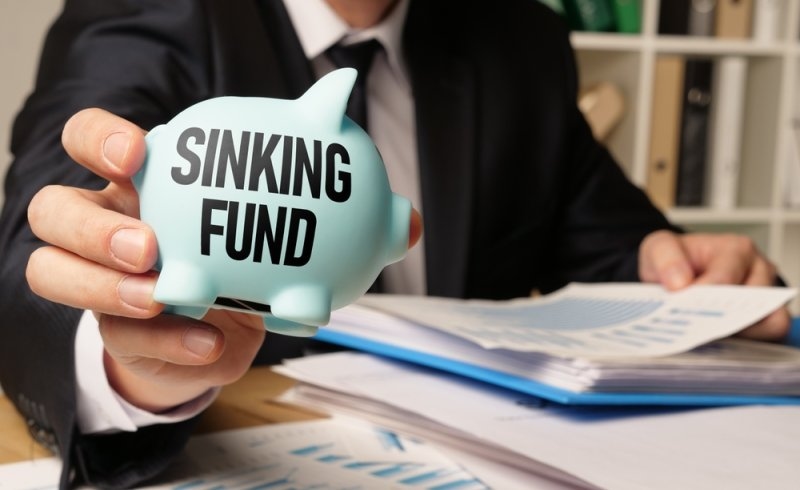
Nobody likes surprise bills. Stuff like annual insurance, school fees, car repairs, gifts, or travel can ruin a normal month. Sinking funds take the sting out by spreading out the pain. Instead of scrambling to cover a sudden expense, you just use what you’ve already saved up.
This way, you’re not caught off guard—the stress gets spread out too. The idea seems simple, but the setup matters. If your savings targets are too vague, you’ll probably ignore them and start fresh every year. In this blog, I’ll walk you through what sinking funds are, how to pick good categories, real-life ways to use them, and tricks for weaving them into your monthly budget.
The basic idea behind sinking funds is straightforward. You estimate a future expense, work backward from its due date, then save a portion every month. The money is reserved for that specific purpose rather than being mixed with everyday spending.
What is a sinking fund in simple terms? It is money gradually reserved for one known future expense. Unlike an emergency fund, the expense is usually expected and has a reasonably clear purpose.
What is a sinking fund not? It is not spare cash for random purchases. Sinking funds have jobs. Once the money is assigned, spending it elsewhere weakens the whole system.
What are sinking funds? They are dedicated savings amounts for expenses that are expected but do not occur every month. A car service, festival shopping, or annual subscription may not need money today, but it will need money later.
What are sinking funds useful for? They make irregular spending more predictable. Instead of finding? 24,000 suddenly, you might save? 2,000 for 12 months. That is the practical strength of sinking funds.
Also Read: Top Budgeting Apps to Help You Master Money Management
How sinking funds work depends on three numbers: the expected cost, the amount already saved, and the time remaining. If a 18,000 expense is due in nine months, saving? 2,000 each month gets you there.
The calculation is simple:
Monthly contribution = Amount needed ÷ Months remaining
How sinking funds work becomes easier when contributions are automated. Money can move immediately after income arrives, before everyday spending starts.
Sinking funds categories should reflect expenses you actually face, not an ideal budget copied from somewhere else. Too many categories create administration; too few make tracking unclear.
Useful sinking funds categories can include:
Sinking funds categories can also change. A category that made sense last year may become unnecessary this year.
Suggested Reading: Loud Budgeting: Why This Trendy Method Actually Works
The types of sinking funds you need depend on your income, obligations, and spending cycle. Some people need only three or four; others have several because their annual expenses are larger.
Common types of sinking funds include fixed annual costs, seasonal spending, planned purchases and maintenance expenses. Types of sinking funds should be based on actual upcoming costs, not the number of accounts you think you should have.
Examples of sinking funds show why the method works better than simply hoping extra money will remain available.
| Expense | Target | Time | Monthly saving |
|---|---|---|---|
| Car insurance | $24,000 | 12 months | $2,000 |
| Festival spending | $12,000 | 6 months | $2,000 |
| Laptop replacement | $60,000 | 20 months | $3,000 |
| Vacation | $36,000 | 12 months | $3,000 |
These examples of sinking funds are not fixed formulas. Your target should come from your own expected cost and deadline.
More examples of sinking funds include dental expenses, appliance replacement, professional fees, and yearly home maintenance. Examples of sinking funds become useful when they reflect expenses that repeatedly surprise you.
How sinking funds work differs from ordinary savings because the money already has an intended purpose. General savings can remain flexible; sinking funds are more specific.
| Sinking Funds | Emergency Savings |
|---|---|
| Planned expense | Unexpected problem |
| Usually has a target | Target may be broader |
| Known timing is common | Timing is unknown |
| Used for expected costs | Used for financial shocks |
How sinking funds work is therefore less about building wealth and more about smoothing cash flow. That distinction matters.
Too many sinking funds categories can become annoying to maintain. Five useful categories are better than fifteen that you constantly forget to update.
A practical approach is to combine similar expenses. For example, several small annual subscriptions can sit under one yearly-bills category. The aim is control, not accounting perfection.
Don't Miss: What Is the 50/30/20 Budget Rule and How Do You Use It
Sinking funds help you deal with those annoying expenses because you’re planning ahead. You’re not paying less, but you are dodging that awful “I forgot about this” shock.
Start by focusing on expenses that keep messing up your month—figure out when you’ll need the money, and divide the total by how many months you have to save.
Automate the savings if you can. Keep your categories simple so it’s not a hassle to keep track. Adjust your plan if prices or priorities change. The best system isn’t the fanciest or most detailed one. It’s the one you’ll actually stick with long term.
Yes. If you park the money in a savings account, you can earn a little interest. But the most important thing is that the money’s easy to reach when you need it.
If you’re keeping an eye on your total assets and liabilities, definitely count your sinking fund. It’s just money you’ve set aside for something down the road, but it’s still yours.
Of course, as long as you’re both clear about what the money’s for, how much you’ll save, and how you’ll use it. Sharing the details keeps everyone on the same page.
It’s fine for planned, one-time debt costs, but don’t mix it with your regular debt payments—keep those separate. Mixing them makes it tough to see your progress.
If you need the money soon, keep it somewhere safe and easy to access. Sometimes the stock market’s just too risky when the deadline’s close. The amount of time you have is key.
This content was created by AI