


Getting a good deal on the best auto insurance quotes isn’t just about chasing the lowest price. Most folks pay hundreds—even thousands—of dollars every year for coverage, and a lot of people just stick with their old policy instead of checking out what’s out there.
Here’s the kicker: Insurance rates can swing wildly from one company to another, even for the exact same car and driver. A policy that looks like a cheap auto insurance quote at first might leave you high and dry when something actually goes wrong.
So yeah, it’s worth spending some time shopping around. Knowing how different coverages work, what actually affects your premium, and how to compare quotes correctly can save you money and headaches later. Let’s break down what you need to know about how auto insurance really works, auto quotes, what types of coverage matter, comparing auto insurance quotes, cheap auto insurance quotes, and a few simple ways to keep more cash in your pocket.
Auto insurance is basically a deal between you and your insurance company: You pay them a set amount each month or year, and in return, they agree to cover certain financial losses if bad stuff happens—accidents, theft, hail, things like that.
How much they’ll actually pay when you need help depends on the coverages and limits you pick, so two “cheap” policies could mean very different things when you actually have to file a claim.
Don’t let price be your only reason for choosing a policy—understand what you’re getting into before you sign up.
Not every policy protects you the same way, and knowing the basics helps when you’re sorting through quotes.
This one pays for injuries or property damage you cause to someone else. Most states make you buy some kind of liability insurance, but those state minimums are usually pretty low—they might not be enough if you’re in a serious accident. Many financial pros suggest going above the minimum if you can swing it.
Think of this as protection for your own ride if you crash into another car or object. Without it, you’re on the hook for repairs (or a new car). If you’re still making payments on your car, the lender usually insists on this one.
Comprehensive backs you up for stuff that’s not a straight-up crash:
You get the idea. Got a newer car? This coverage is usually worth having.
Not everyone you pass on the road is properly insured. This covers you if you get hit by someone with little or no insurance.
Depending on where you live, you might have access to one of these. They help pay your medical bills and those of your passengers after an accident.
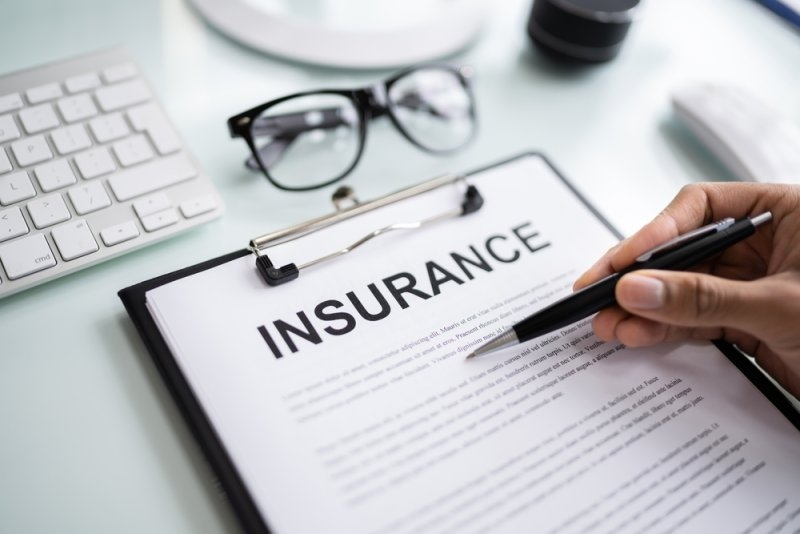
Here’s where a lot of people mess up: they pick the cheapest thing out there without thinking it through. The “right” amount depends on the following:
People with a lot to lose (or expensive cars) usually get more coverage—they don’t want to be wiped out by a lawsuit or a total loss. Start by figuring out how much financial protection you want, not just how low you can get your payments.
Try This: Why Everyone Should Invest in Vision Insurance in 2025?
Are you ready to shop around? Good plan. Here’s what to do in the section below:
The more accurate you are, the more realistic your quotes will be. Here is what you need:
Pick your limits and deductibles before you start calling for quotes. If you ask for different stuff from every company, comparing auto insurance quotes gets pretty much meaningless.
The more options, the better—you’re looking for a minimum of three to five quotes. That’s how you spot real savings and coverage differences.
Don’t let a rock-bottom price fool you
Low price is nice, but if the company’s a nightmare when you file a claim, you’re out of luck. Look up:
Different companies see risk differently, but here’s what usually makes a difference:
Less drama on your record (no accidents, no tickets) means lower rates. Younger drivers usually pay more—blame it on less experience. The longer you go without trouble, the better your rates get.
Repair costs, risk of theft, and value all matter. High-end or sporty cars cost more to insure.
Your ZIP code isn’t just for mail—if your area has a lot of thefts or wrecks, you’ll probably pay more.
If you’ve filed a bunch of claims, expect your rates to go up.
Here’s how you can keep your premium down—but still get good coverage:
A higher deductible means a lower premium. But only do this if you’re sure you can pay it comfortably.
Grab home and auto from the same company. Companies usually toss in a discount.
Common ones include safe driver, multiple cars, good student, and low-mileage discounts. AN additional discount can reduce your burden of paying extra.
Prices change, discounts disappear, and companies adjust their rates. Shopping around once a year keeps you from overpaying.
There are several drawbacks a driver might face with car insurance. Avoid these common slip-ups:
Cheap coverage can be useless when you need it. Don’t just take the lowest bid.
That’s legal. However, it can leave you badly exposed after a serious crash.
If your insurer drags its feet after a crash, that bargain price won’t feel so good. But be wise enough to cross-check.
Loyalty doesn’t usually save you cash. Check quotes often to make sure you’re still getting a good deal.
The best auto insurance quotes aren’t about paying as little as possible. It’s about understanding what you need, comparing real options, and balancing cost with good coverage. The more you know—and the more often you check your choices—the better off you’ll be, both financially and on the road.
You can check search.com for more comparison options and choose the best auto insurance quotes for you. We know that doing your homework really pays off, and you can maximize your protection (and shrink your costs) just by shopping around and asking the right questions.
Nope. Switching won’t hurt your score. When companies give you a quote, they sometimes do a “soft” check on your credit, but that doesn’t affect your rating.
Definitely, and you should. Shopping a few weeks early gives you plenty of time to find a good deal and switch without leaving any gaps in coverage. Whereas it allows you to explore and know the market and get a clear idea on what to invest.
Pretty often, actually. They adjust based on claims, repair costs, and bigger economic trends—sometimes several times a year. That’s why checking your policy every year or so is smart. You don’t want to miss out on better deals.
This content was created by AI