

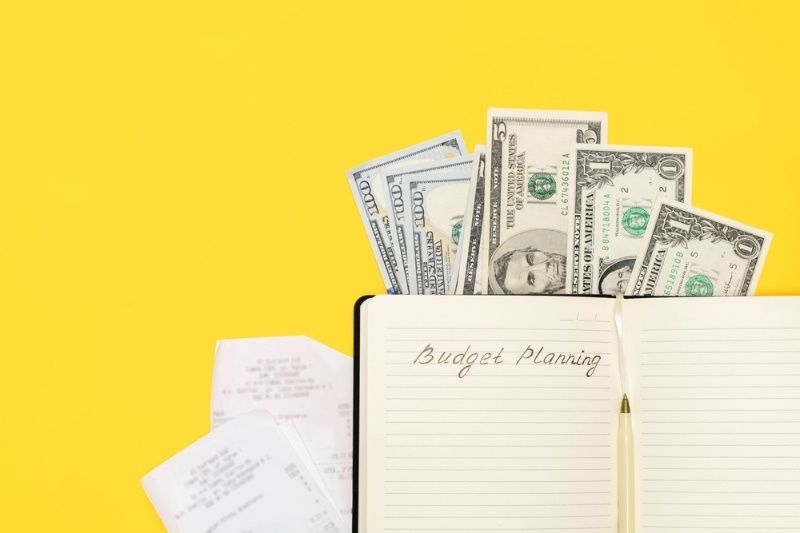
Managing money can feel really tough. You have bills to pay every month, things you want to buy, and goals you want to achieve. You only have so much money. If you don't have a plan, it's easy to spend much and not save enough. A good budgeting plan can really help.
Budgeting isn't about cutting back on everything or stressing about money all the time. It's about knowing how much money you have, controlling what you spend, and saving money on purpose. When you have your finances in order, you'll feel less stressed. Make better decisions. You can create a financial future by finding a budgeting method that works for you, planning how you'll spend your money, and saving in a way that's realistic for you. This way you can achieve your goals without making huge changes to your lifestyle.
Making a budget is a way to manage the money you have. You need to make sure you have money for the things you need. This way you can also save money and work towards your goals. When you have a budget, you know where your money is going each month. You do not have to wonder where it all went.
A budget helps you understand your money better. It helps you not spend too much. It also helps you get ready for emergencies and things you want to do in the future. You will not have to borrow money or use credit cards.
A good budget should include things like keeping track of the money you make, categorizing how you spend your money, planning how you will save, and setting goals that make sense for your life.
Budgeting systems are not all the same. People have income levels and financial responsibilities, and they spend money in different ways. So it is important to choose a budgeting method that's suitable for you.
Some people like to write down everything they spend money on. Other people prefer to keep track of the big things they spend money on. The right budgeting method is one that you can stick to. That makes sense for your daily life. A good budgeting method helps you stay on track; it helps you avoid getting confused about your money. It makes dealing with money less stressful. Budgeting methods like these are really helpful because they make money management easier for you and your budgeting system.
The 50/30/20 rule is really simple to follow. It helps you manage your money by splitting it into three parts. This way you can be responsible. Still have fun. The 50/30/20 rule makes sure you save money without having to do a lot of math. For people who are new to budgeting, the 50/30/20 rule is a good guide. It gives you a plan to follow. You can still make some choices. Here is how it works:
Managing money is not about earning more; it's about using what you earn in a smart way. Many people have money problems because they don't plan their spending. When you organize your expenses in a way, it's easier to control your finances and you waste less money.
A good system for allocating your money helps you see what you need to pay, what you can adjust, and where you can make a difference with some changes. It helps you know what costs are necessary, what expenses can be flexible, and where you can make adjustments that really matter.
Review bank statements and digital payment history to spot spending patterns. Small but frequent expenses often add up quickly.
Fixed expenses include rent, insurance, and bills. Flexible expenses include shopping, dining, and entertainment. This separation shows where adjustments are possible.
Assigning realistic spending limits prevents overspending while allowing room for lifestyle enjoyment.
Setting aside small monthly amounts for medical needs, repairs, and travel prevents financial surprises.
Unused funds from certain categories can be allocated toward savings or debt repayment to accelerate financial progress.
Saving money is really important for your long-term financial security. You don't need to save a large amount at once. It is more about creating habits that will grow over a long period. A good savings plan will help you be ready for emergencies and big life events. It also helps you feel less worried about money. You can achieve stability with small regular savings actions. Consistent saving helps you build protection. It is all about being steady and patient with your savings.
Automatic transfers move a portion of income directly to savings, helping you stay consistent without relying on willpower.
Clear goals, such as building an emergency fund or saving for a home, make the process more motivating.
Even modest savings add up significantly when maintained regularly.
Canceling unused subscriptions and services frees up extra funds for important financial goals.
Bonuses and tax refunds can strengthen savings faster when used responsibly.
Must Try: Top Budgeting Apps to Help You Master Money Management
Making a financial plan is not about being perfect. It is about making changes that help you become more stable over time. You will get better at managing your money if you keep working at it and making choices with your financial planning and budgeting. Budgeting works well when you do it with good money habits. You have to be consistent and disciplined if you want to be successful with money in the long run. Here are some personal finance tips that are really helpful:
A smart budgeting strategy helps transform financial stress into clarity and confidence. Choosing suitable budgeting methods, improving expense allocation, and following practical saving strategies make money management easier and more effective.
Simple systems like the 50/30/20 rule offer structure, while consistent habits ensure long-term stability. Budgeting is not about restriction—it is about directing money toward what truly matters.
With steady planning and mindful decisions, financial security becomes achievable for anyone.
The 50/30/20 rule is simple and effective because it divides income into needs, wants, and savings.
Saving 20% of your income is ideal, but any consistent amount helps build financial security.
It ensures income is used intentionally, helping cover essential needs while supporting savings goals.
This content was created by AI